From Sargassum Crisis to Circular Industry
SargaBio’s biorefinery project transforms invasive sargassum into high-value biomaterials such as alginate, cellulose,biofertilizer, and inputs for sustainable packaging.
We are building the infrastructure needed to convert a costly coastal problem into a scalable materials platform forthe Caribbean and beyond.
Two environmental challenges. One industrial solution.
Every year, massive sargassum blooms impact coastlines, ecosystems, tourism, and local economies across theCaribbean. At the same time, industries still depend heavily on fossil-based materials with high environmentalfootprints.
SargaBio’s biorefinery project addresses both challenges at once: we recover value from problematic biomass andconvert it into industrial inputs that can replace more polluting materials.
What is the SargaBio biorefinery?
The SargaBio biorefinery is a vertically integrated processing project designed to use sargassum as feedstock for theproduction of multiple high-value outputs.
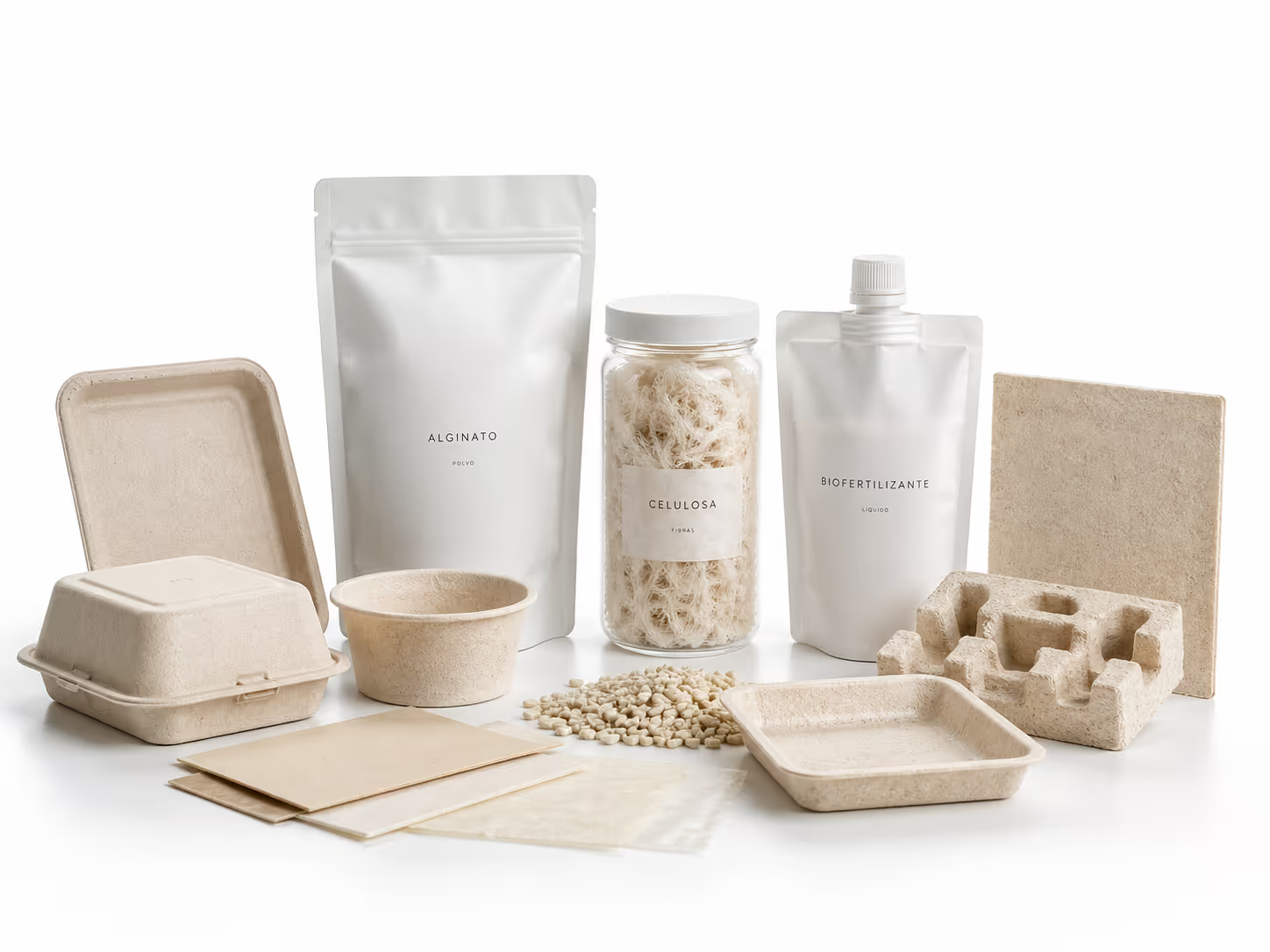
Instead of treating sargassum as waste, we process it as a strategic raw material. Through extraction andfractionation, the biorefinery is designed to produce:
Four materials from one source
Sargassum produces multiple high-value products

Alginate
for biomaterials and industrial applications
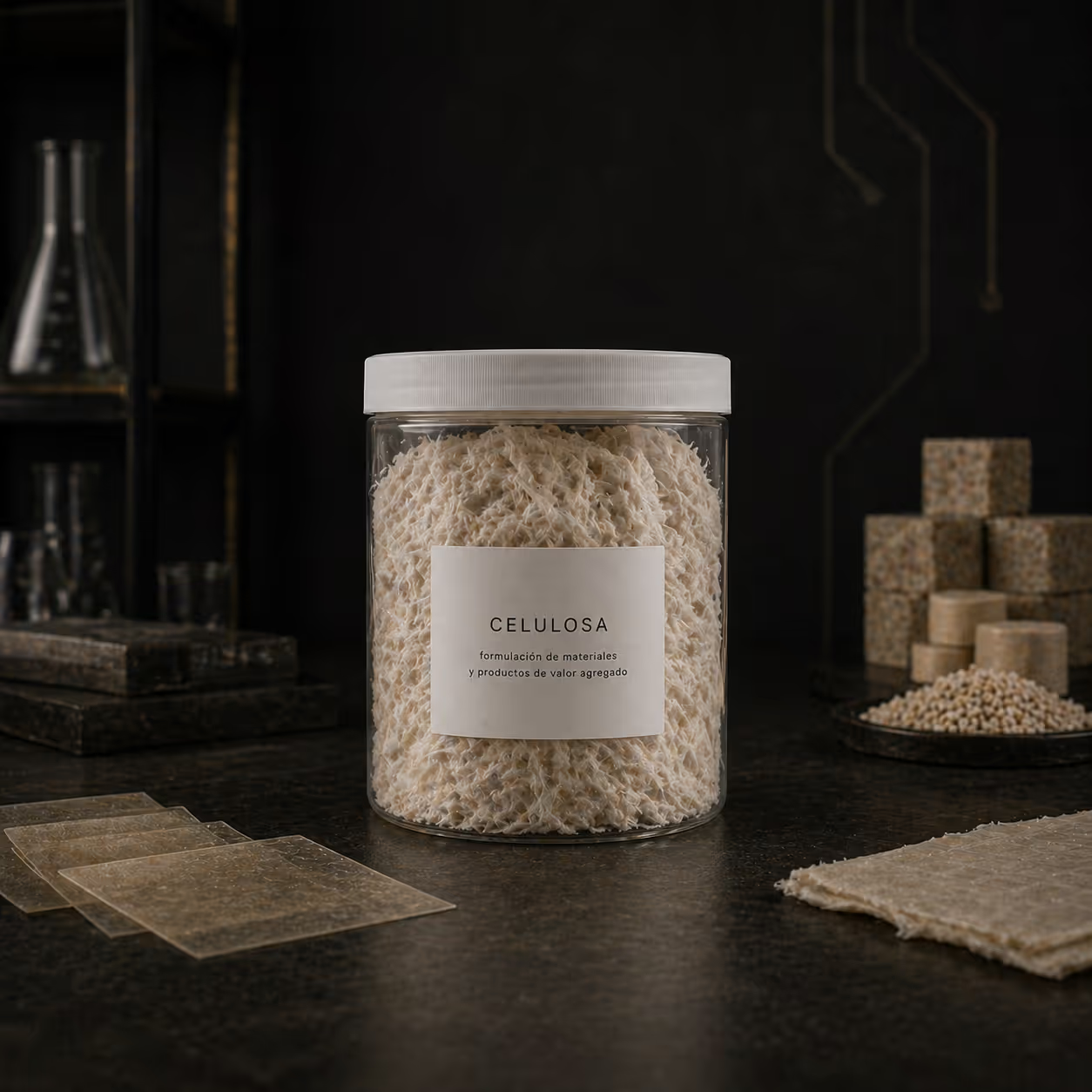
Cellulose
for material formulations and value-added products

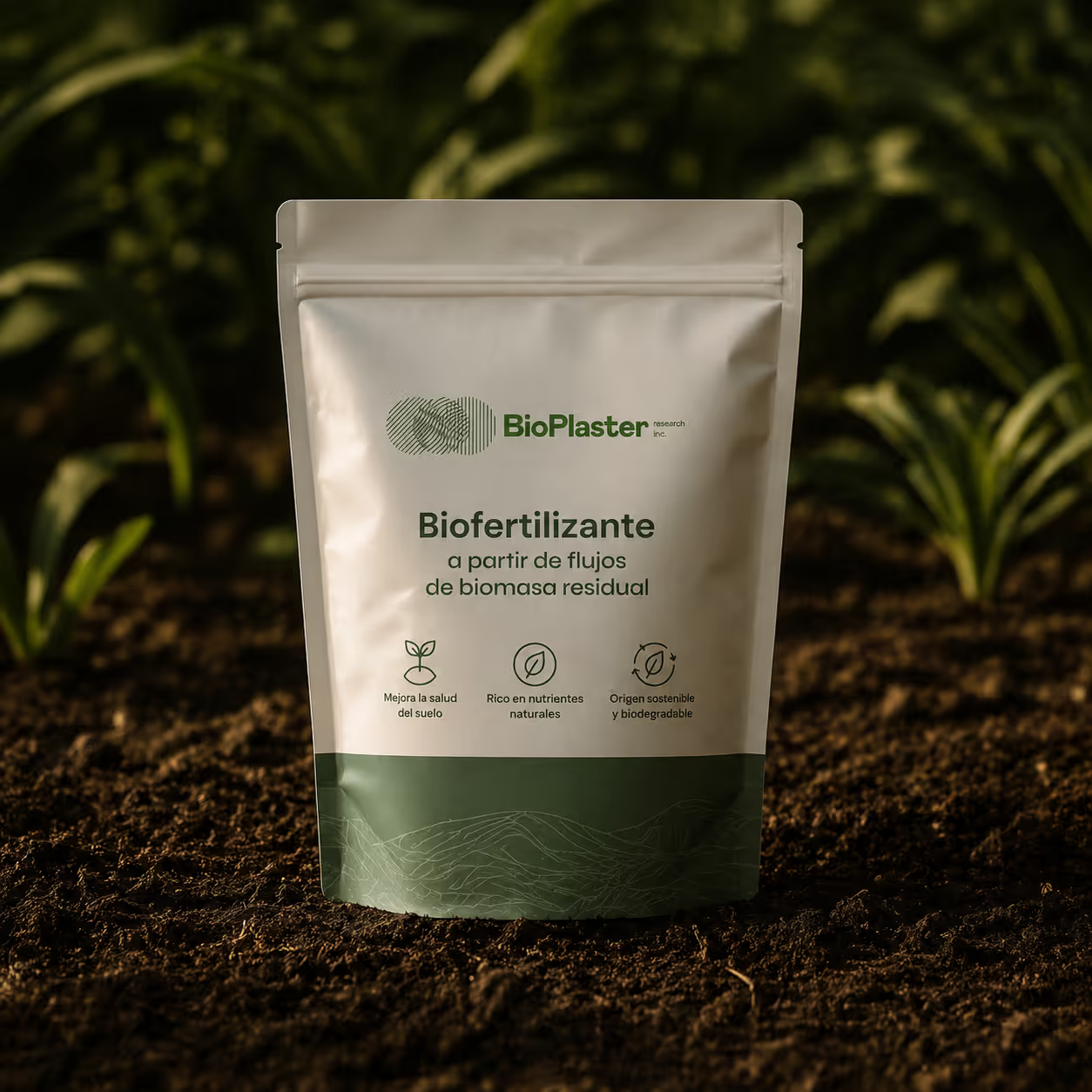
Biofertilizer
from residual biomass streams
Biomaterials
materials for sustainable packaging
This approach strengthens margins, improves supply security, and enables a more circular manufacturing model.
Why this project matters
It unlocks local value from an urgent environmental problem
Sargassum imposes major environmental and economic costs on coastal communities. A biorefinery creates a
productive use for this biomass instead of leaving it to decompose onshore.
It reduces dependence on imported raw materials
By extracting key compounds locally, SargaBio can strengthen its supply chain and reduce exposure to international
raw material volatility.
It supports scalable sustainable manufacturing
Vertical integration enables SargaBio to improve cost structure, material consistency, and long-term competitiveness
in biomaterials.
It creates regional environmental and social impact
The project can generate jobs, support traceable collection systems, and create economic opportunities in coastal
regions affected by sargassum.

How the system works
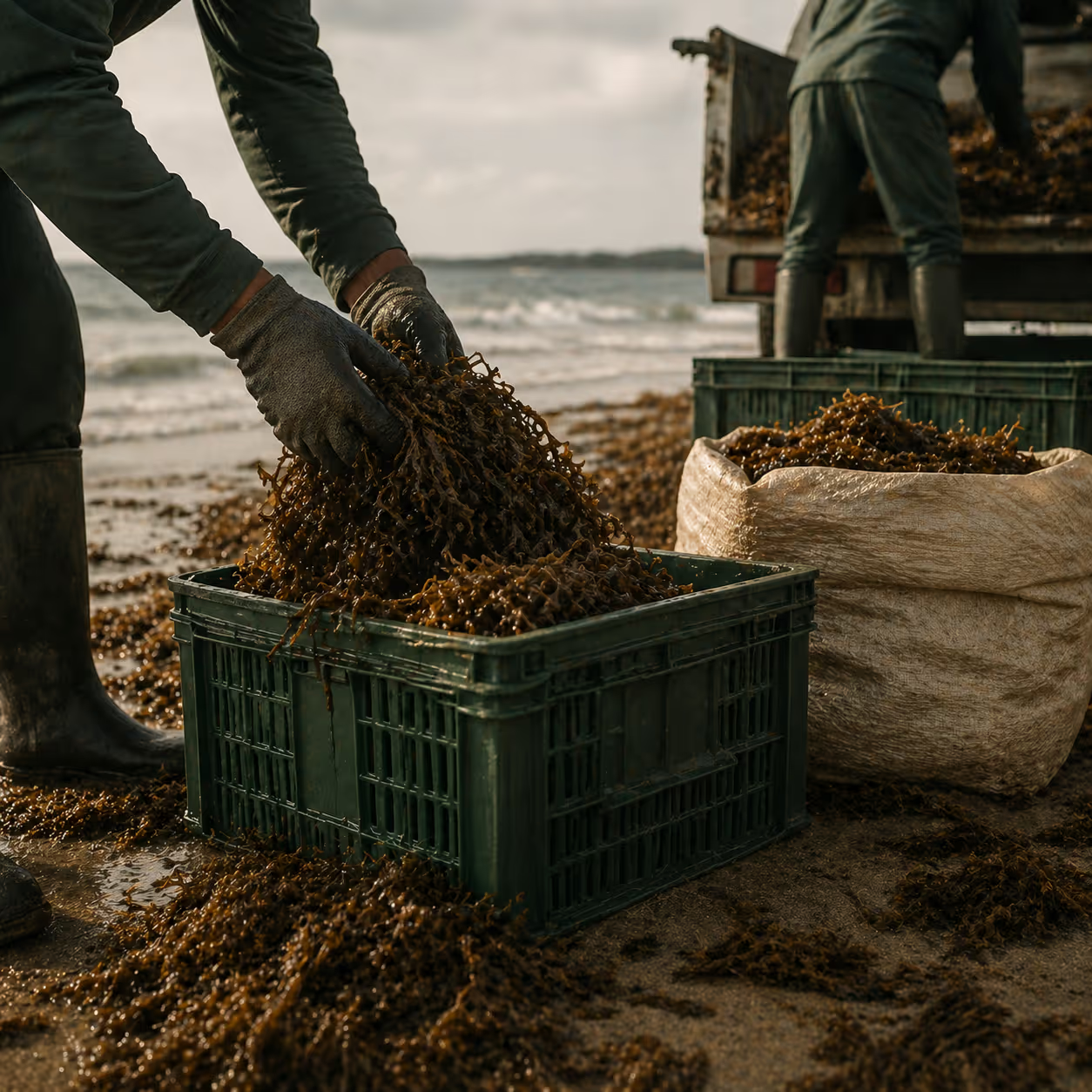
Collection and supply
We work to secure traceable sargassum supply from affected coastal regions.

Pre-processing and stabilization
Collected biomass is sorted, treated, and prepared for industrial transformation.
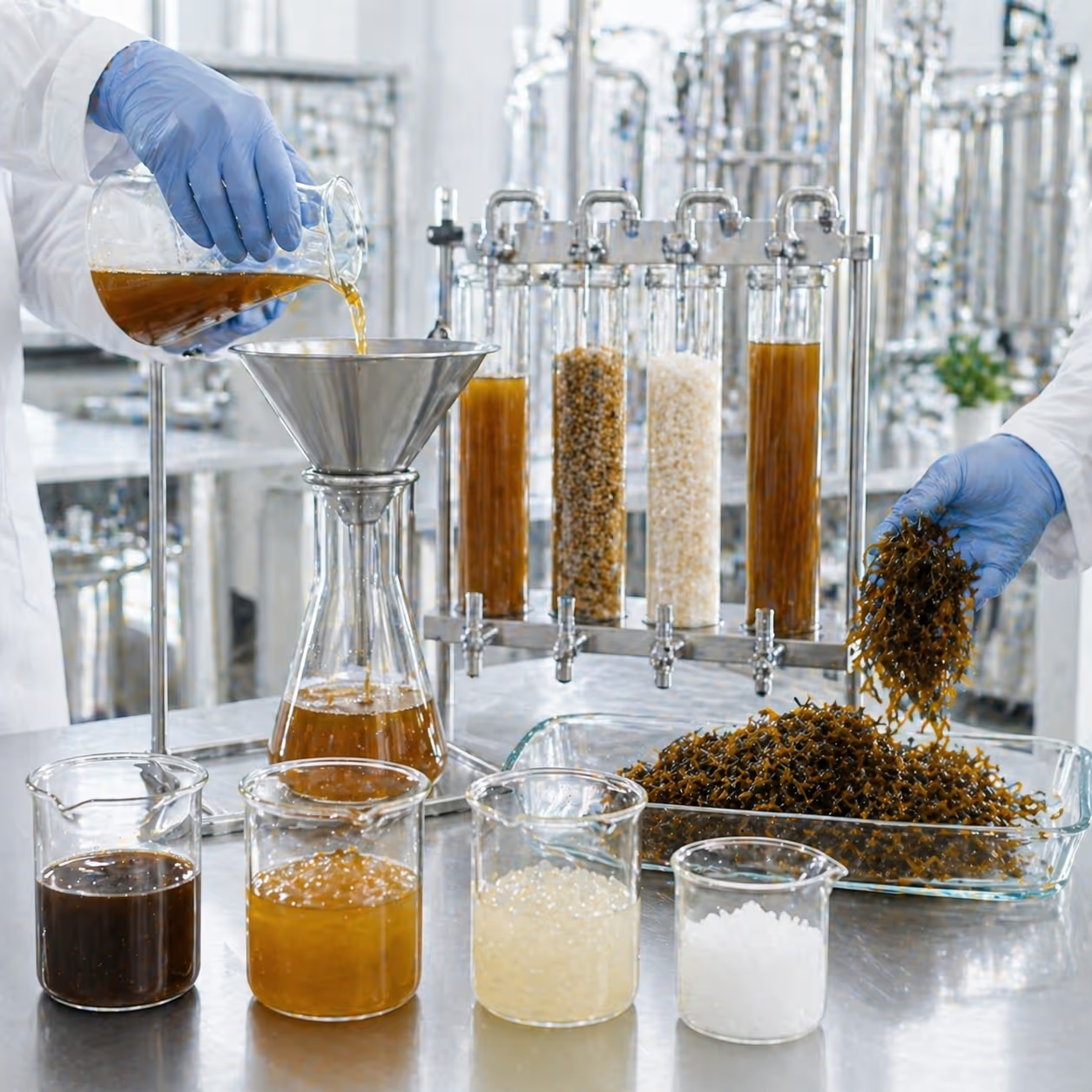
Extraction and fractionation
The biorefinery separates valuable compounds such as fucoidans, alginate, cellulose, and other usable fractions.
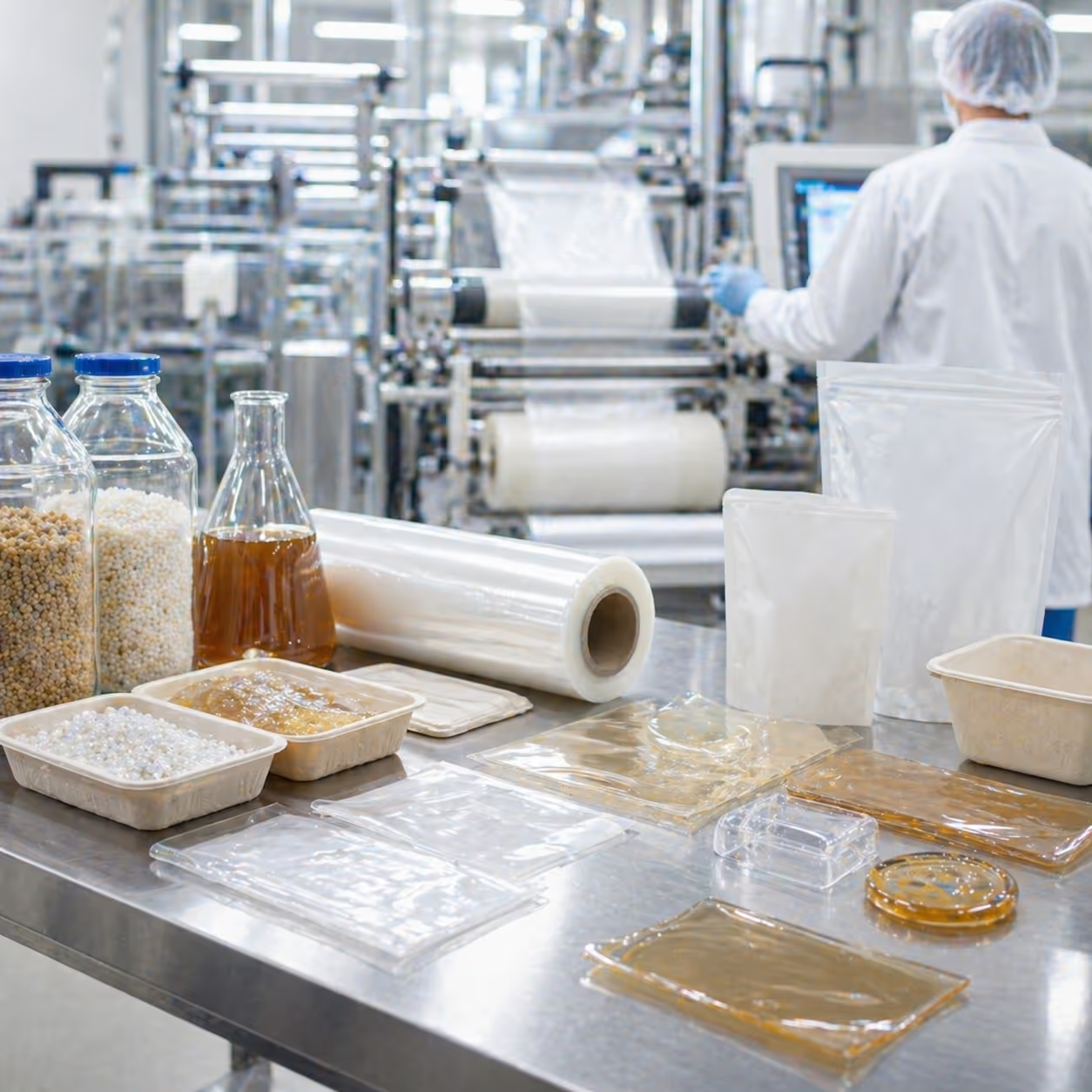
Manufacturing integration
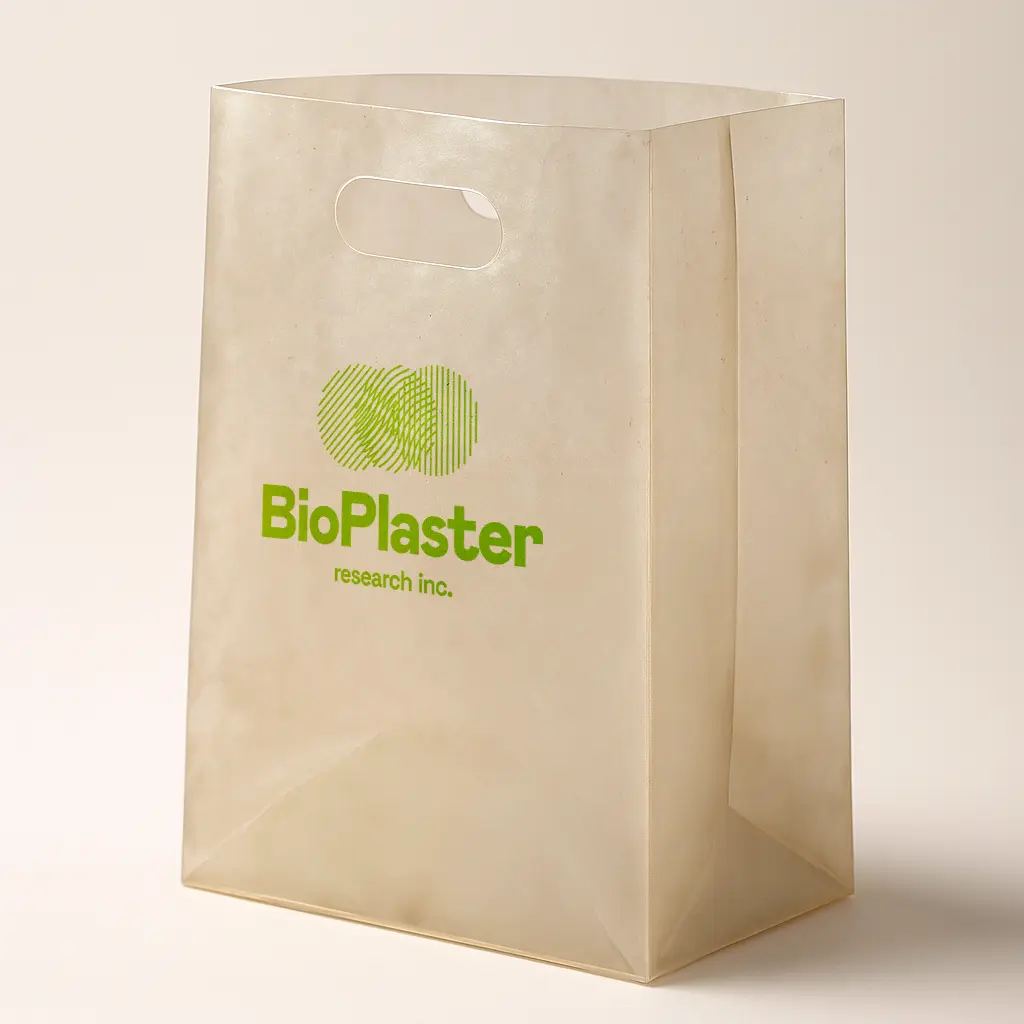
These outputs can feed BioPlaster’s materials platform, including films, bags, and future biomaterial applications.
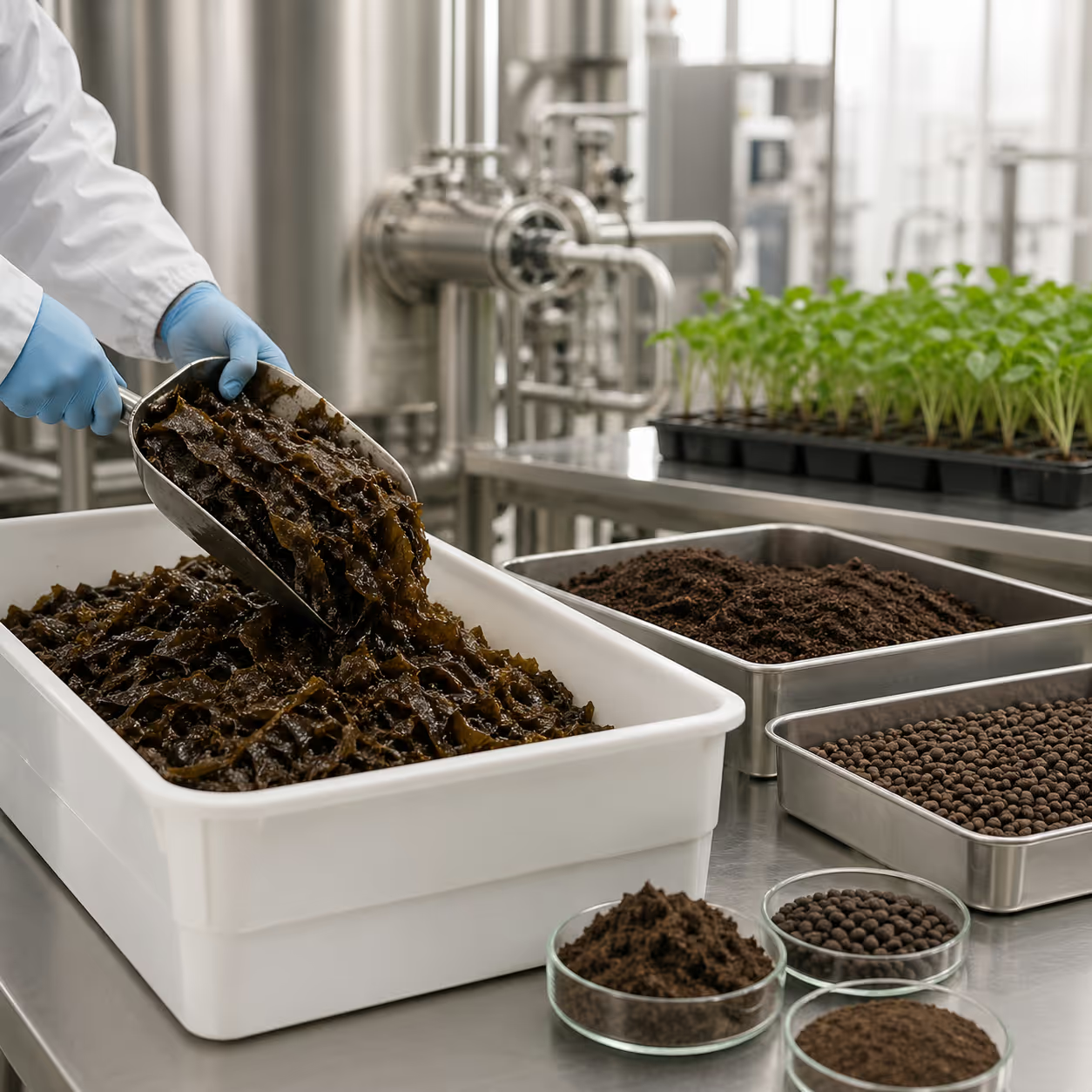
Circular valorization of residual streams
Residual biomass is directed toward additional products such as biofertilizer, maximizing resource efficiency.
Designed for measurable impact
Environmental impact
Reduces dependence on petroleum-based materials
Converts problematic biomass into useful industrial products
Supports circular use of natural resources
Helps avoid unmanaged decomposition of sargassum on coastlines
Economic impact
Turns cleanup burden into productive value chains
Strengthens local and regional industrial capacity
Improves long-term supply security for sustainable materials
Social impact
Creates opportunities for coastal communities
Supports new jobs in collection, processing, and manufacturing
Builds local participation in the circular economy
Who this project is for
Industry partners
Looking for lower-impact material inputs and strategic supply alternatives.
Investors
Looking for scalable climate, circular economy, and industrial decarbonization opportunities.
Public sector and institutional stakeholders
Looking for solutions that address environmental damage, local economic strain, and industrial development.
Brands and manufacturers
Looking to reduce the footprint of packaging and material sourcing.

Building circular industry from the shoreline up
SargaBio’s biorefinery project is designed to transform sargassum from an environmental burden into the foundation
of a new materials economy.